Dan Littman, MD, PhD
Scientific Advisor
Founded by pioneers in regulatory T cell (Treg) biology and cell therapy, and built on Nobel-winning research, SonomaBio launched in 2019 with backing from top life science investors and has since built a world-class team of scientists, clinicians, and industry veterans.

Scientific Advisor
Scientific Advisor
Scientific Advisor
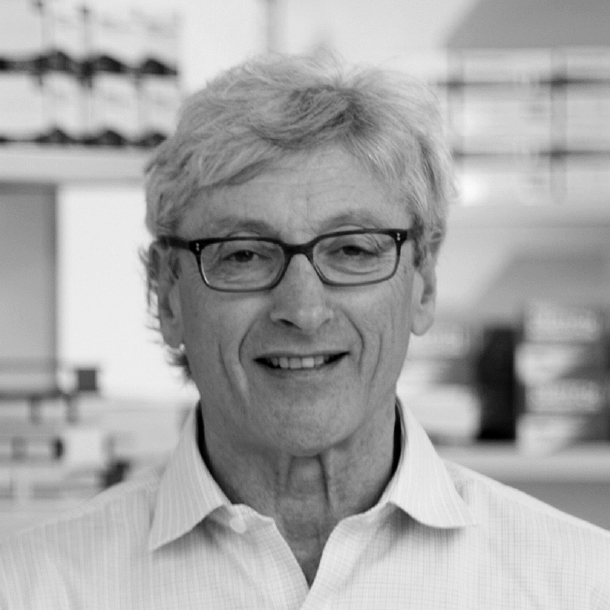
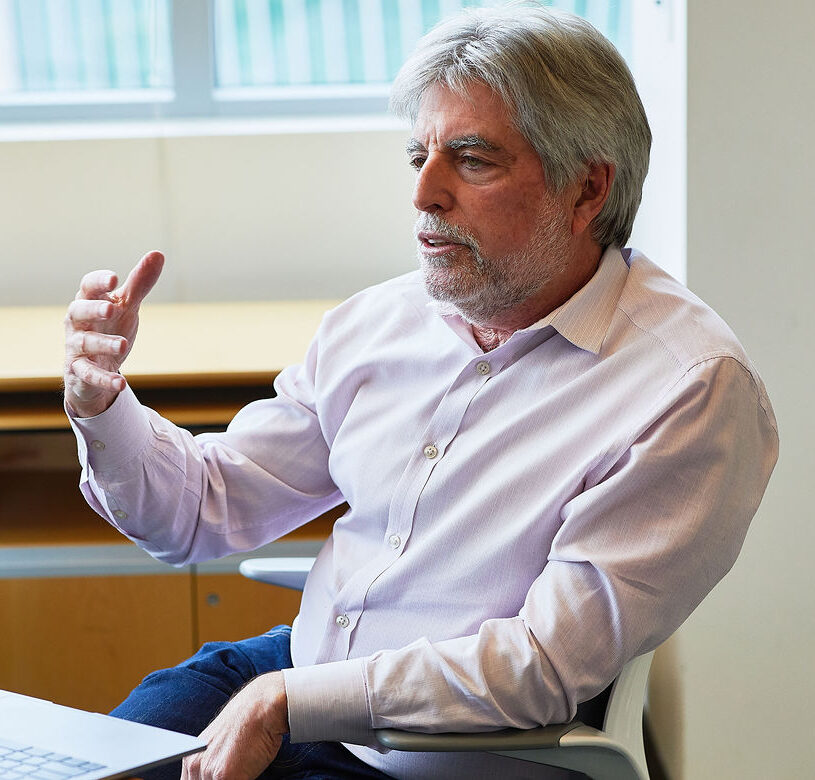
Dan Littman is a Howard Hughes Medical Institute Investigator, Helen L. and Martin S. Kimmel Professor of Molecular Immunology and Professor of cell biology and pathology at the New York University (NYU) School of Medicine. His groundbreaking discoveries in virology and immunology include molecular mechanisms of immune cells that mediate autoimmunity and the role of gut microbiota in T-cell differentiation. Dr. Littman is a Fellow of the American Academy of Arts and Sciences and is a Member of the National Academy of Sciences and National Academy of Medicine. He was awarded the 2004 New York City Mayor’s Award for Excellence in Science and Technology and the 2016 Vilcek Prize in Biomedical Science.
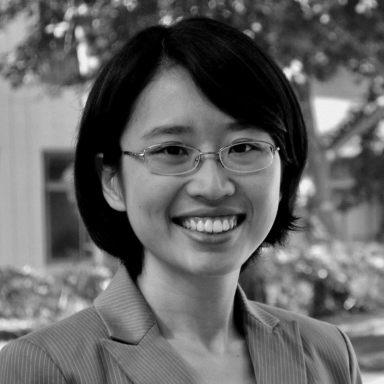
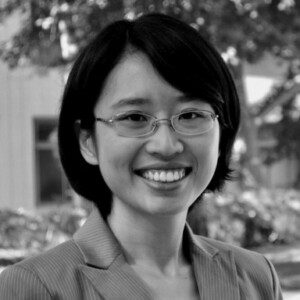
Yvonne Chen, PhD, is an Associate Professor of Microbiology, Immunology & Molecular Genetics at the University of California Los Angeles. Dr. Chen is also a Member Researcher of the Parker Institute for Cancer Immunotherapy, Member of the Broad Stem Cell Research Center, and Co-Director of Tumor Immunology Program of the Jonsson Comprehensive Cancer Center.
Dr. Chen’s lab is focused on applying synthetic biology and biomolecular engineering techniques to develop robust cell-based therapies. They are specifically interested in engineering multi-functional T cells that can identify and effectively eliminate tumor cells partly by overcoming the various defense mechanisms associated with cancer and their microenvironments.
Prior to joining UCLA, Dr. Chen was a Junior Fellow in the Harvard Society of Fellows and conducted postdoctoral research at the Seattle Children’s Research Institute and the Department of Systems Biology at Harvard Medical School. The Chen lab’s work on engineering next-generation T-cell therapies for cancer has been recognized by the NIH Director’s Early Independence Award, the NSF CAREER Award, the Hellman Fellowship, the ACGT Young Investigator Award in Cell and Gene Therapy for Cancer, the Mark Foundation Emerging Leader Award, and the Cancer Research Institute Lloyd J. Old STAR Award.
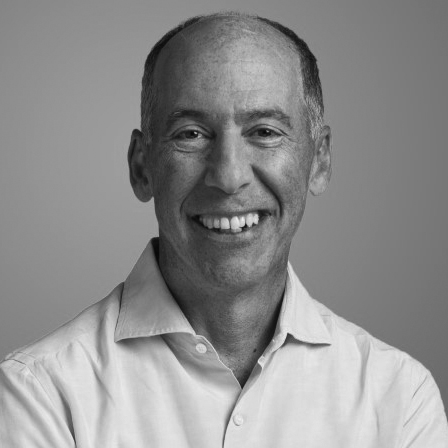
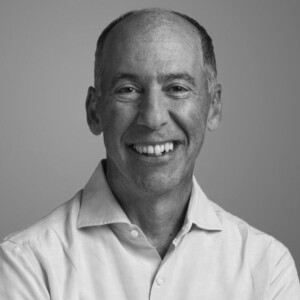
Dr. Turka received his MD degree from the Yale University School of Medicine, and trained in Internal Medicine at Yale-New Haven Hospital. Dr. Turka was a renal fellow at the Brigham and Women’s Hospital, and then joined the faculty of the University of Michigan. In 1994 Dr. Turka joined the faculty of the University of Pennsylvania, where he was the C. Mahlon Kline Professor of Medicine and Chief of the Renal Division. In 2009 Dr. Turka moved to Boston and was at the Massachusetts General Hospital, where he was Co-Director of the Center for Transplantation Sciences, and the Harold and Ellen Danser Professor of Surgery at Harvard Medical School. In 2018, Dr. Turka moved to biotech, as the Chief Scientific Officer and Co-Founder of Rheos Medicines and subsequently the Chief Scientific Office and Head of Translational Medicine at Rubius Therapeutics.
Among the notable discoveries of Dr. Turka’s laboratory were novel approaches to transplantation tolerance, the role of Toll-like receptors in T-cells, and pathways required for the maintenance of regulatory T-cell function. He was also an early contributor to the field of T cell costimulation including work that help lead to the development of abatacept and belatacept for the treatment of rheumatoid arthritis and renal transplantation. Dr. Turka has served as President of the American Society of Transplantation, Chair of the NIAID Board of Scientific Counselors, Editor in Chief of The Journal of Clinical Investigation, and Deputy Director of the Immune Tolerance Network. He was elected to membership in the American Society for Clinical Investigation in 1995, and the Association of American Physicians in 2003.
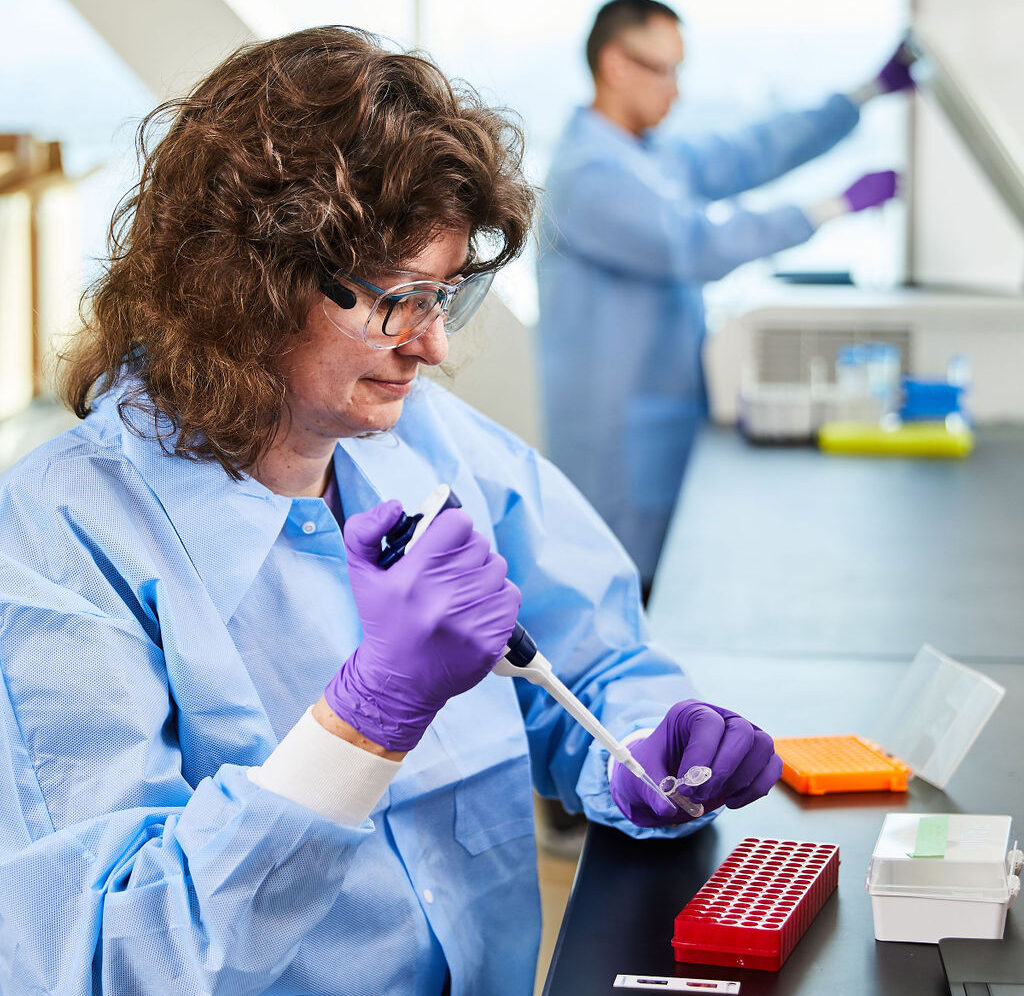
We unite our people under a shared commitment to innovation, collaboration, diversity and a sense of belonging, and improving the lives of patients with autoimmune and inflammatory diseases.