Jeff Bluestone, PhD
Founder
Built on pioneering advances in regulatory T cell biology, SonomaBio is a clinical-stage biotechnology company developing precision-engineered regulatory T cell (Treg) therapies for autoimmune and inflammatory disease.

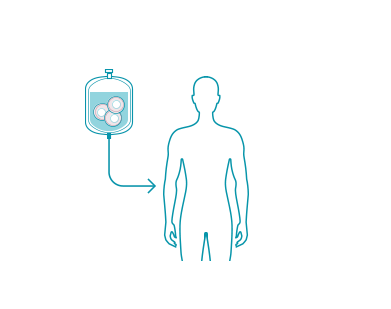
We’re building a new generation of Treg therapy for the course of the disease, not just a single intervention.



Founder
Founder
Founder
Founder

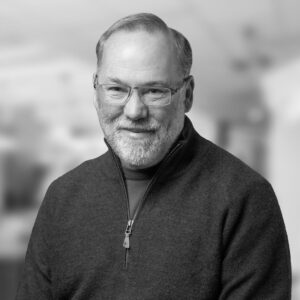
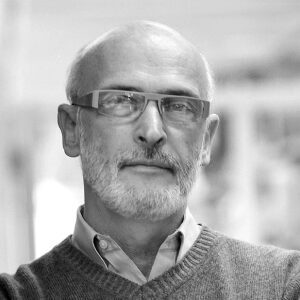
Jeffrey Bluestone is one of the leading immunologists in the field of T-cell activation and immune tolerance research that has led to the development of multiple immunotherapies, including the first FDA-approved drug targeting T-cell co-stimulation to treat autoimmune disease and organ transplantation and the first CTLA-4 antagonist drugs approved for the treatment of metastatic melanoma.
Dr. Bluestone is an academic leader on a national and international scale. He is a co-founder and former President and CEO of Sonoma Biotherapeutics. Prior to SonomaBio, Jeff served as President and CEO of the Parker Institute for Cancer Immunotherapy and was the founding director of the Immune Tolerance Network, the largest NIH-funded multicenter clinical immunology research program, testing novel immunotherapies in transplantation, autoimmunity and asthma/allergy. While holding the A.W. and Mary Margaret Clausen Distinguished Professorship at UCSF, Dr. Bluestone also served as executive vice chancellor and provost at UCSF and was the founding director of the UCSF Diabetes Center. He is now Professor Emeritus at UCSF.
Dr. Bluestone has received numerous awards including: a Guggenheim Fellowship; election to the American Academy of Arts and Sciences; the National Academy of Medicine; and the National Academy of Sciences; the 2022 AAI-Steinman Award for Human Immunology Research; induction into the Rutgers University Hall of Distinguished Alumni in 2024; and an appointed member of Vice President Joe Biden’s Cancer Moonshot Blue Ribbon Panel.
Dr. Bluestone earned his PhD in Immunology from Cornell University and his BS in Biology from Rutgers University.
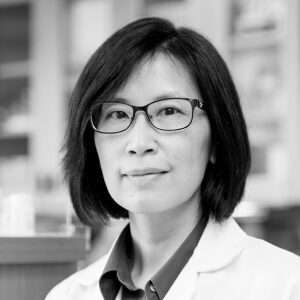
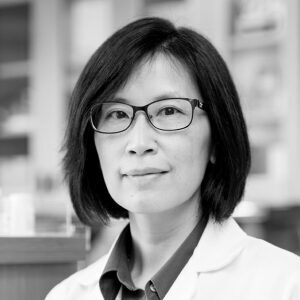
Dr. Tang is Professor of Surgery and Director of the Transplantation Research Laboratory at UCSF, where she holds the Bluestone and Rosenkrantz Immune Tolerance Professorship in Diabetes. She co-directs UCSF’s regulatory T cell therapy program, which currently supports multiple early-phase clinical trials in type 1 diabetes, transplantation, and autoimmune disease. She is a co-founder of SonomaBio.
Dr. Tang’s impact in the field is reflected in numerous national and international lectures, as well as dozens of publications in the field of immunology and Treg biology.
Dr. Tang joined the staff at UCSF in 2002 as an Assistant Professor of Pathology in the Diabetes Center where she focused on immune tolerance. She joined the transplantation department in 2007 to lead basic research on transplant immunology. She now focuses on regulatory T cell biology. She is one of the first to grow regulatory T cells and apply these cells in experimental therapy.
Dr. Tang received her undergraduate degree at Peking Union Medical College in China. She completed her graduate education in the US, getting her PhD from the University of Illinois at Chicago. She completed post-doctoral fellowships at the University of Illinois at Chicago and under renowned immunologist Dr. Jeffrey Bluestone at the University of Chicago and UCSF.
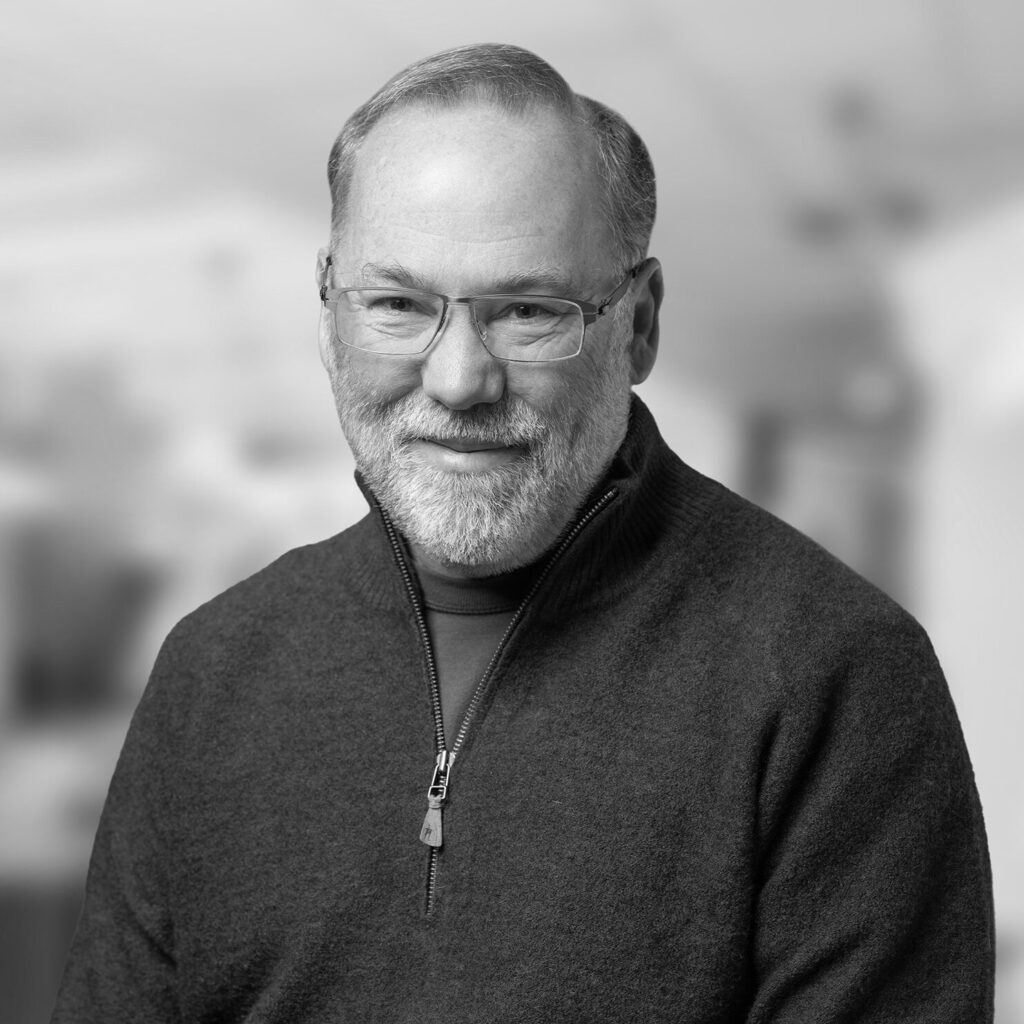
Fred Ramsdell is a co-founder and former CSO of Sonoma Biotherapeutics and a biotechnology leader in immunology with more than three decades of experience. He was awarded the 2025 Nobel Prize in Physiology or Medicine for his discovery of regulatory T cells and FOXP3 gene and previously received the 2017 Crafoord Prize alongside fellow SonomaBio co-founder Alexander Rudensky, PhD.
Prior to SonomaBio, Dr. Ramsdell served as the CSO at the Parker Institute for Cancer Immunotherapy (PICI), where he helped to build and advance multiple research programs from the institution’s inception.
Before joining PICI, Dr. Ramsdell was recruited by Novo Nordisk in 2008 to help establish the company’s inflammation Research Center in Seattle, where he led the Immunobiology group. Earlier, he joined ZymoGenetics in 2004 and led teams focused on the discovery and characterization of novel proteins with potential regulatory activity in lymphoid cells.
Previously, Dr. Ramsdell established the immunology program at Darwin Molecular, later acquired by Celltech R&D. During this time, he led the team that discovered and characterized FOXP3, the master regulatory gene critical to the development and function of regulatory T cells.
Following a fellowship at the National Institutes of Health (NIH), Dr. Ramsdell began his biotechnology career at Immunex, where he studied T cell activation and immune tolerance, with a focus on gene discovery and functional characterization.
Dr. Ramsdell earned his PhD in Microbiology and Immunology from the University of California, Los Angeles and holds a BA in Biochemistry and cell biology from the University of California, San Diego.
Dr. Rudensky is Chair of the Immunology Program at the Sloan Kettering Institute, Director of the Ludwig Center at Memorial Sloan Kettering, and an Investigator of the Howard Hughes Medical Institute. He also holds faculty appointments at Rockefeller University and Cornell University.
His contributions have been recognized with election to the National Academy of Sciences, the National Academy of Medicine, and the American Academy of Arts and Sciences, as well as the Coley Award in Basic Immunology, the Vilcek Prize in Biomedical Science, and the 2017 Crafoord Prize, which he shared with fellow SonomaBio founder Fred Ramsdell, PhD.
Alexander Rudensky, PhD, an immunologist at Memorial Sloan Kettering Cancer Center, is co-discoverer of the transcription factor FoxP3 that is essential for Treg identification and function. He is a co-founder of SonomaBio.
Early in his career, Dr. Rudensky pursued biochemistry at Moscow’s Second Medical School, studying the interplay between the immune system’s main actors: T cells and B cells. Following postdoctoral work at Yale, he accepted a professorship at the University of Washington, where his focus turned to the molecular underpinnings of T cell development. Dr. Rudensky became particularly interested in regulatory T cells, or Tregs, thought to play a role in suppressing unwanted immune responses. The molecular identity and role of Tregs had puzzled researchers for decades, but Dr. Rudensky and his team helped solve it by discovering that the gene switch FOXP3 controls their formation.
Much of Dr. Rudensky’s career unfolded at Memorial Sloan-Kettering in New York City. Notably, he found that placental mammals form cohort of “peripheral” Tregs, and that during pregnancy, these Tregs prevent the maternal immune system from attacking the fetus, effectively linking peripheral Treg deficiency to miscarriages. Dr. Rudensky also discovered that fatty acids in the gut boost the formation of peripheral Tregs, which in turn help ward off inflammatory gut disorders, and that Tregs secrete a signaling molecule that mediates tissue repair and maintenance, establishing a central role for them in inflammation and allergies.
More recently, Dr. Rudensky and his colleagues have explored how Tregs influence cancer progression. Clinical trials involving Tregs in transplantation and autoimmune diseases are underway, and the coming years are poised to bring promising leads for cancer treatment.
Dr. Rudensky received his Candidate of Sciences degree from the Gabrichevsky Research Institute of Epidemiology and Microbiology in Moscow and completed his postdoctoral work at the Yale School of Medicine.
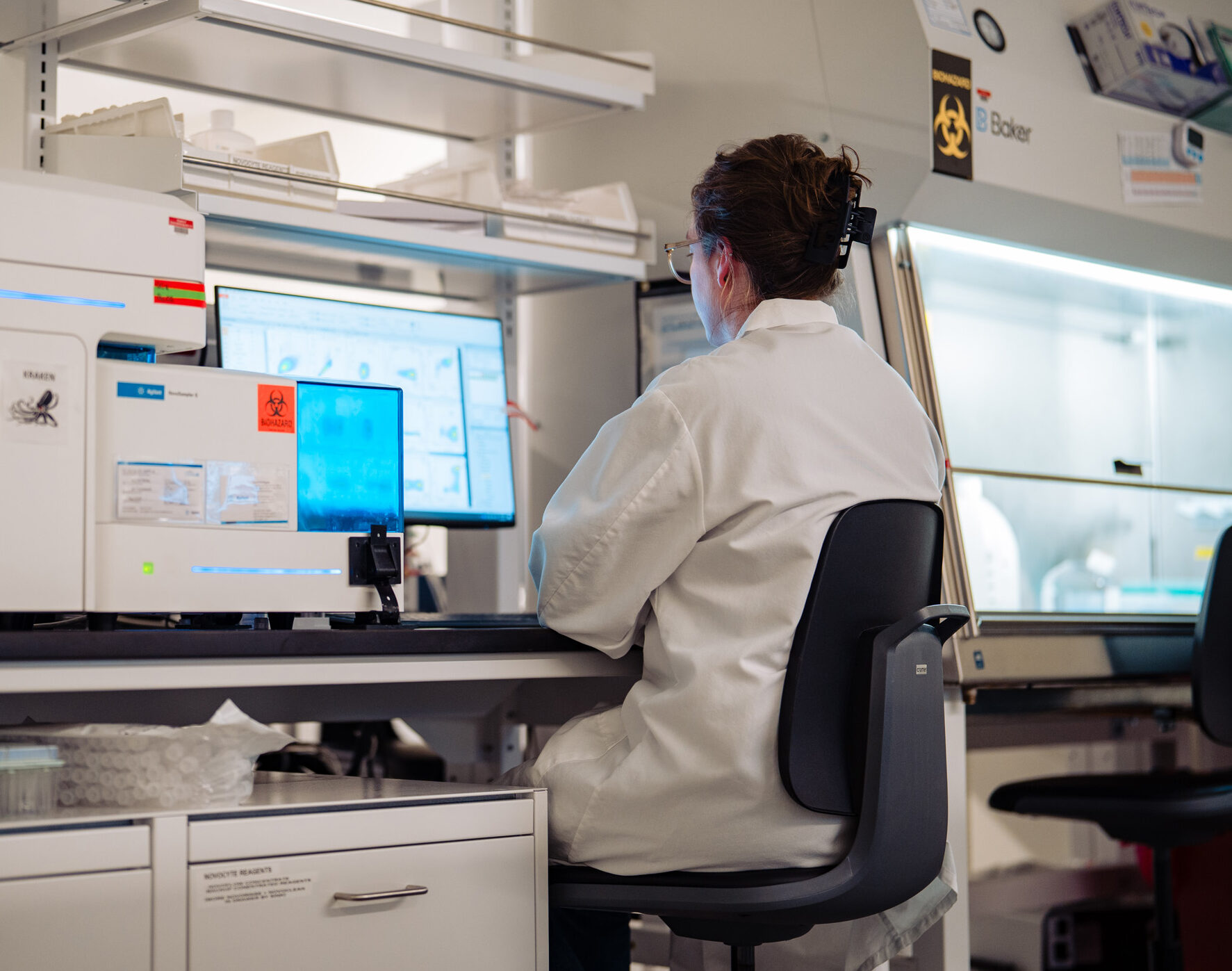
Restoring immune tolerance requires more than innovative science. It demands disciplined execution across research, clinical development, and manufacturing. We’re building that team, united by a shared commitment to patients.